Part 2 โ€ข Chapter 5: India, a Home to Many
๐Ÿ‡ฎ๐Ÿ‡ณ National Curriculum Standard โ–พ
๐Ÿ› Vidyoric Certified โ€ข Dr. Meenakshi Sundaram
๐Ÿ”ฅ 0 days
โšก 0 Sparks +
Part 2 โ€ข Chapter 5: India, a Home to Many

Video Lecture 1: The Warm Hearth โ€” India as the World's Sanctuary

STEP 1: VIDEO LESSON ๐Ÿ“ค Uploaded HTML5 Video

๐Ÿ“‘ Interactive Chapter Bookmarks

4 chapters
00:00
Introduction & Overview

Syllabus scope and core objectives

โ–ถ
01:30
A india To Many

Detailed physical mechanism and derivations

โ–ถ
02:31
Synagogue

High-yield board tips and pitfalls

โ–ถ
04:17
Heretic
โ–ถ

๐ŸŽ™๏ธ Synchronized Transcript

๐Ÿ”
Throughout history, people have travelled across lands in search of safety, freedom, and a better life. India became home to several communities who arrived from different parts of the world and contributed to its cultural diversity.

One famous story describes the arrival of Zoroastrian refugees from Persia at Sanjan in Gujarat. According to community tradition, the local ruler, Jadi Rana, presented them with a bowl filled with milk to suggest that his land was already full. A Parsi priest added sugar to the milk without spilling it, symbolising that the newcomers would blend into society and make it sweeter through their contributions. This story represents the spirit of cultural coexistence.

Several other communities also made India their home.

The Syrian Christian community of Kerala traces its origins, according to tradition, to the arrival of Saint Thomas in India around 52 CE. These Christians developed their own religious and cultural traditions along the Malabar Coast.

Jewish communities settled in different parts of India. The Cochin Jews lived in Kerala, the Bene Israel community developed along the Konkan coast, and Baghdadi Jews settled in cities such as Mumbai and Kolkata. The Paradesi Synagogue in Mattancherry, built in 1568, reflects the history of Jewish settlement in Kerala.

The Parsis brought Zoroastrianism from Persia. They established important religious centres, including the sacred Iranshah fire temple at Udvada in Gujarat. Over time, members of the Parsi community made significant contributions to Indian industry, science, education, and public life.

Arab traders also established connections with India's western coast, particularly Kerala. Through trade and cultural exchange, Islam gradually became part of the region's diverse religious landscape. The Cheraman Juma Mosque at Kodungallur is traditionally associated with the early spread of Islam in India.

These communities maintained important aspects of their religious and cultural identities while becoming part of Indian society. Their histories demonstrate the long tradition of interaction and cultural exchange in the subcontinent.

This spirit is expressed through the Sanskrit phrase, Vasudhaiva Kutumbakam, meaning, "The world is one family." The idea teaches us to look beyond differences and recognise our shared humanity.

India highlighted this philosophy during its G20 Presidency through the theme, "One Earth, One Family, One Future."

Thus, India's history reflects a rich tradition of migration, cultural exchange, and coexistence. Different communities have contributed their languages, beliefs, traditions, and knowledge to the country's shared heritage.

In our next lesson, we will explore the Bhakti and Sufi movements, which promoted devotion, love, and spiritual connection across social and religious boundaries.
STEP 2 โ€ข CONCEPT NOTES โฑ๏ธ 3 min read
๐Ÿ“Œ 0 Notes

Concept Notes 1: India as a Global Sanctuary of Refuge
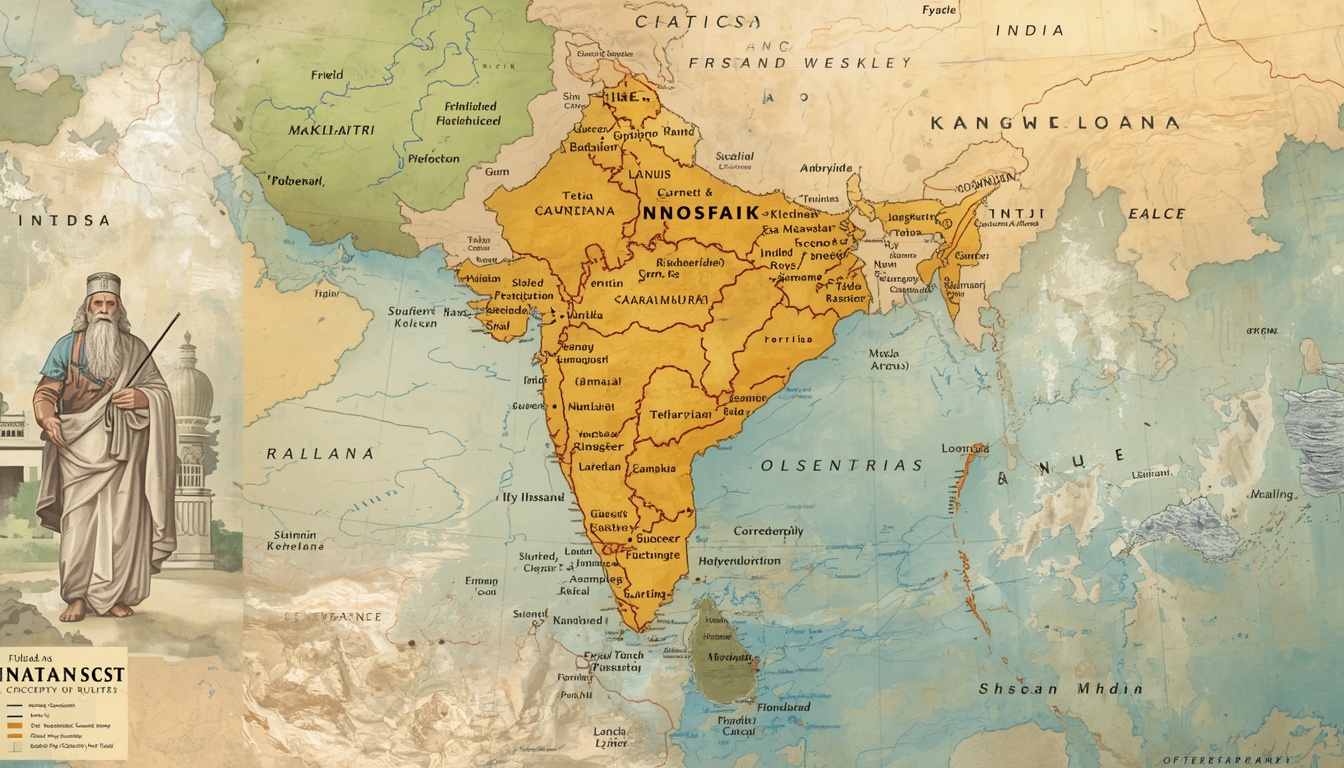
Figure 5.1: The Sanjan Milk Miracle, St. Thomas & Early Global Migrations

1. The Civilizational Ethos of Sanctuary

India possesses an unbroken three-millennia tradition of granting asylum to persecuted communities without imposing religious conversion or cultural erasure:

  • The Zoroastrians (Parsis):
  • Fled religious persecution in Sassanid Persia following the Arab conquests (8thโ€“10th century CE).
  • Landed on the western coast of Gujarat at Sanjan around 720 CE, granted asylum by King Jadi Rana.
  • Consecrated the sacred, perennially burning fire (Iranshah Atash Behram), now enshrined at Udvada, Gujarat.
  • Retained Zoroastrian faith while adopting the Gujarati language, sari attire, and contributing fundamentally to Indian industry, philanthropy, and science.
  • Syrian Christians of Malabar (St. Thomas Christians):
  • According to ancient tradition, the Apostle St. Thomas arrived in 52 CE at the port of Muziris (Kodungallur, Kerala).
  • Granted royal privileges recorded on copper plates (Tharisapalli plates, 849 CE) by King Ayyan Adigal of Venad.
  • Practiced Syriac Christian liturgy while integrating into Kerala's social, martial, and economic landscape.
  • The Jewish Communities of India:
  • Cochin Jews: Settled on the Malabar coast in antiquity; King Bhaskara Ravi Varman granted them hereditary trade privileges engraved on the Jewish Copper Plate of Cochin (c. 1000 CE); built the historic Paradesi Synagogue in Mattancherry (1568).
  • Bene Israel: Settled along the Konkan coast of Maharashtra, speaking Marathi and known as Shanwar Teli (Saturday oil-pressers).
  • Baghdadi Jews: Arrived in the 18th century as merchants in Mumbai and Kolkata (e.g., the Sassoon family).
  • The Cheraman Juma Mosque (629 CE):
  • Built at Kodungallur in Kerala by Arab traders led by Malik Dinar, widely acknowledged as the oldest mosque in India and one of the oldest in the world.
๐Ÿ“
Comprehensive High-Yield Mathematical Relations & Theorems

Complete step-by-step derivations, step traps, and LaTeX formula sheet breakdowns...

๐Ÿ”’

End of Free Notes Preview

Unlock the complete deck to access full LaTeX formula breakdowns, interactive diagrams, exam traps, and personal margin highlights!

๐Ÿ”‘ Sign In / Register Free
๐Ÿง  Review Due (Interval: 1 Day) Card 1 of 8 (SM-2 Active Recall)
QUESTION (FRONT) Space โ†ต to flip
What was the famous "Sugar in the Milk" metaphor in Parsi history?
ANSWER & EXPLANATION (BACK) Space โ†ต to flip
When King Jadi Rana sent a bowl full of milk to show no room, the Parsi priest stirred sugar into it, symbolizing peaceful integration without spilling or displacing.
๐Ÿ’ก
Tap Card to Flip & Check Your Answer Active recall prompt: Flip the card or press Space โ†ต to unlock the SM-2 recall difficulty rating.
๐Ÿ”’
Step 4 is Locked

Final Comprehensive Diagnostic Assessment (15 MCQs)

This ๐Ÿ“ LaTeX Concept Notes is part of the full verified curriculum for Part 2 โ€ข Chapter 5: India, a Home to Many. Unlock the full deck to gain permanent access to all 11 interactive stages, active recall cards, and diagnostic checkpoints.

Deck Access Price
100% Free with Account
Instant Access
โœ“ UPI & Cards Supported
๐Ÿ”‘ Sign In / Register to Unlock Free →
๐Ÿ”’
Step 5 is Locked

Final Comprehensive Diagnostic Assessment (15 MCQs)

This โšก Diagnostic Quiz is part of the full verified curriculum for Part 2 โ€ข Chapter 5: India, a Home to Many. Unlock the full deck to gain permanent access to all 11 interactive stages, active recall cards, and diagnostic checkpoints.

Deck Access Price
100% Free with Account
Instant Access
โœ“ UPI & Cards Supported
๐Ÿ”‘ Sign In / Register to Unlock Free →
๐Ÿ”’
Step 6 is Locked

Final Comprehensive Diagnostic Assessment (15 MCQs)

This Microlearning Step is part of the full verified curriculum for Part 2 โ€ข Chapter 5: India, a Home to Many. Unlock the full deck to gain permanent access to all 11 interactive stages, active recall cards, and diagnostic checkpoints.

Deck Access Price
100% Free with Account
Instant Access
โœ“ UPI & Cards Supported
๐Ÿ”‘ Sign In / Register to Unlock Free →
๐Ÿ”’
Step 7 is Locked

Final Comprehensive Diagnostic Assessment (15 MCQs)

This ๐ŸŽฅ Video Lesson is part of the full verified curriculum for Part 2 โ€ข Chapter 5: India, a Home to Many. Unlock the full deck to gain permanent access to all 11 interactive stages, active recall cards, and diagnostic checkpoints.

Deck Access Price
100% Free with Account
Instant Access
โœ“ UPI & Cards Supported
๐Ÿ”‘ Sign In / Register to Unlock Free →
๐Ÿ”’
Step 8 is Locked

Final Comprehensive Diagnostic Assessment (15 MCQs)

This ๐Ÿ“ LaTeX Concept Notes is part of the full verified curriculum for Part 2 โ€ข Chapter 5: India, a Home to Many. Unlock the full deck to gain permanent access to all 11 interactive stages, active recall cards, and diagnostic checkpoints.

Deck Access Price
100% Free with Account
Instant Access
โœ“ UPI & Cards Supported
๐Ÿ”‘ Sign In / Register to Unlock Free →
๐Ÿ”’
Step 9 is Locked

Final Comprehensive Diagnostic Assessment (15 MCQs)

This ๐Ÿง  Active Recall Flashcards is part of the full verified curriculum for Part 2 โ€ข Chapter 5: India, a Home to Many. Unlock the full deck to gain permanent access to all 11 interactive stages, active recall cards, and diagnostic checkpoints.

Deck Access Price
100% Free with Account
Instant Access
โœ“ UPI & Cards Supported
๐Ÿ”‘ Sign In / Register to Unlock Free →
๐Ÿ”’
Step 10 is Locked

Final Comprehensive Diagnostic Assessment (15 MCQs)

This ๐Ÿ“ LaTeX Concept Notes is part of the full verified curriculum for Part 2 โ€ข Chapter 5: India, a Home to Many. Unlock the full deck to gain permanent access to all 11 interactive stages, active recall cards, and diagnostic checkpoints.

Deck Access Price
100% Free with Account
Instant Access
โœ“ UPI & Cards Supported
๐Ÿ”‘ Sign In / Register to Unlock Free →
๐Ÿ”’
Step 11 is Locked

Final Comprehensive Diagnostic Assessment (15 MCQs)

This โšก Diagnostic Quiz is part of the full verified curriculum for Part 2 โ€ข Chapter 5: India, a Home to Many. Unlock the full deck to gain permanent access to all 11 interactive stages, active recall cards, and diagnostic checkpoints.

Deck Access Price
100% Free with Account
Instant Access
โœ“ UPI & Cards Supported
๐Ÿ”‘ Sign In / Register to Unlock Free →